


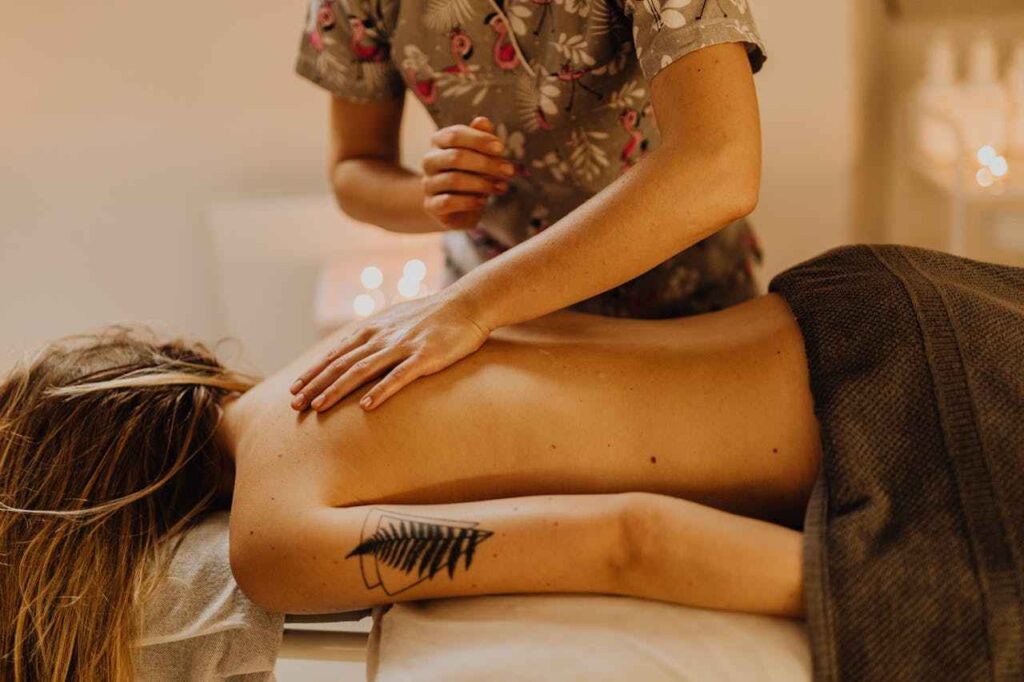
Long shooting days, repeated takes, and constant travel place a steady strain on the body. Performers carry that strain from set to set, often without time to recover fully before the next commitment begins. Massage therapy has moved into that gap, no longer framed as a rare indulgence but as a regular part of staying physically ready.
Spa & Massage, a London-based clinic group, has drawn attention for the type of clientele passing through its doors. According to published reporting, its regulars include athletes, actors, and broadcast professionals who schedule treatments as part of their routine rather than as an occasional break.
Aly-Khan Thobani, Director of Spa & Massage, describes the change in how clients approach care. “People are coming in before the problem builds. They plan regular sessions the same way they plan other work commitments.” His point reflects a broader pattern in wellness behaviour, where frequency has begun to carry more weight than rarity.
Industry data support the rise in demand for regular massage therapy treatments. The global spa sector continues to expand, with massage therapy accounting for the largest share of services tied to stress relief and physical recovery. Growth at that scale signals a shift in how people manage strain, particularly those working under sustained physical and mental pressure.

Access Over Exclusivity
Luxury spas once held a strong appeal through privacy and status. Entry was limited, and visits were occasional. That model still exists, but it no longer defines how many performers manage recovery. A more practical setup has gained traction, built around easy access and repeat visits.
Spa & Massage operates within that structure. Its clinics sit in high-street locations rather than inside hotels or private clubs. Clients return weekly or even more often, focusing on consistent care rather than one-off experiences. The setting reflects a different priority, where the ability to maintain a routine matters more than exclusivity.
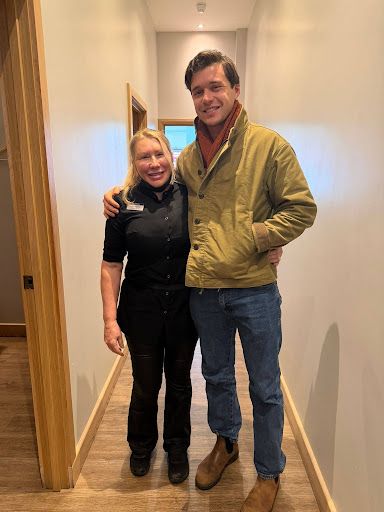
Reports of high-profile visitors reinforce that shift. One article describes encounters with public figures at one of the clinics, including musician Dougie Poynter, seen during a visit to the Richmond branch. That presence does not suggest exclusivity. It suggests normalcy. The same space serves both public figures and everyday clients, each following a similar approach to maintenance.
Thobani frames the appeal in practical terms. “A single treatment helps, but regular sessions create stability. That’s what clients are after.” The statement captures a wider adjustment in how wellness is measured. Results are tied to consistency over time, rather than a single visit meant to reset the body.
Performance Comes First
Massage therapy now sits closer to training than to leisure in many professional routines. Performers depend on mobility, stamina, and recovery to meet the demands of their schedules. Regular treatment supports those needs, helping manage fatigue and reduce the risk of longer-term strain.
Spa & Massage positions its services within that framework. Treatments focus on deep tissue work and stress reduction, aimed at maintaining physical condition rather than providing escape. The environment remains simple, but the intention is clear. Clients return to keep their bodies functioning at a level required by their work.
Market data aligns with that focus. Massage services represent a significant portion of spa activity, driven by their role in addressing stress and physical tension. Demand continues to grow as more people treat recovery as part of their routine rather than a response to discomfort.
Regular visits produce visible results, which in turn encourage consistency. Clinics built around accessibility support that cycle, allowing clients to maintain their schedule without disruption. Spa & Massage fits into that structure, offering a model that matches the pace of modern professional life.
The appeal lies in repetition. A routine built on steady care replaces the need for occasional fixes. Performers, athletes, and professionals follow that pattern because it supports the demands placed on them. The clinic visit becomes another scheduled step, part of staying prepared for the next appearance, the next performance, the next day.