

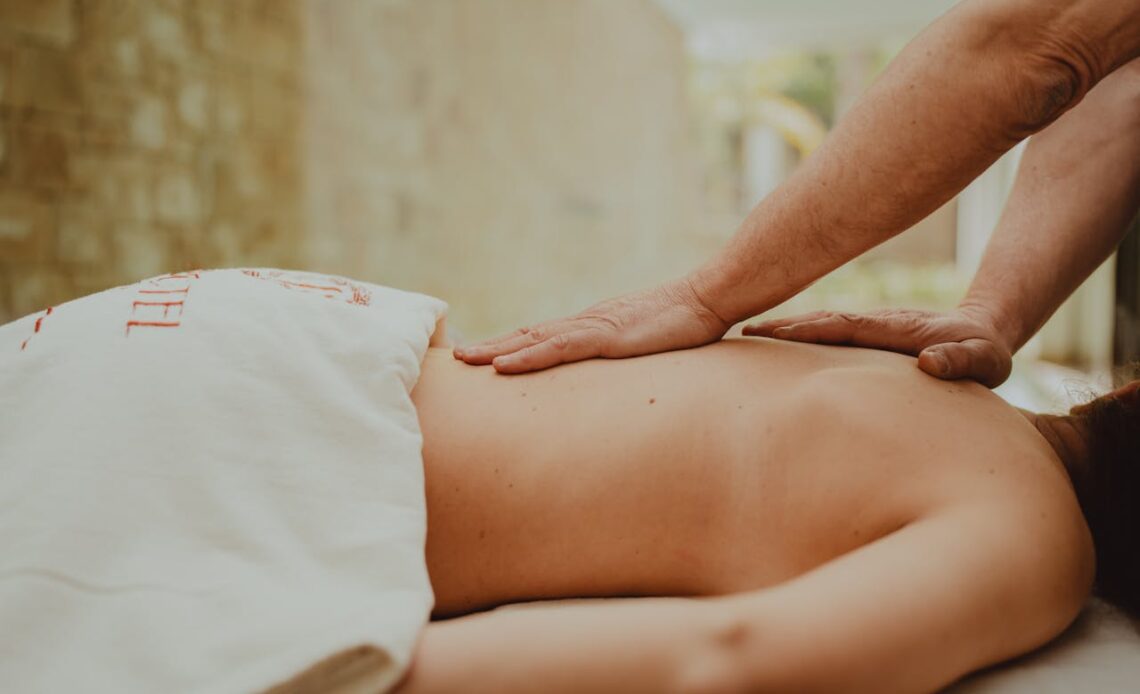
London’s appetite for massage therapy continues to grow. Years of remote working and a thriving fitness culture have driven residents to seek professional massage London services in record numbers. But which therapies are the city’s high-performers actually choosing?
Booking data from platforms connecting clients with top-tier therapists reveals consistent preferences across the capital. Here are the numbers that show how Londoners approached their wellbeing in 2026.
Contents
The Five Most Booked Massage Treatments in London
Swedish Massage Remains the Gateway
Swedish massage continues to dominate bookings across the capital, accounting for the largest share of appointments in areas from Kensington to Canary Wharf. Its appeal lies in accessibility. The technique suits first-timers and regulars alike, offering genuine stress relief without the intensity of therapeutic deep work.
The treatment’s gentle flowing strokes and moderate pressure make it popular among clients who want relaxation without soreness afterwards. At £75 to £85 for a 60-minute session in central London, it also represents reasonable value compared to more specialised treatments.
Deep Tissue Claims Second Place
Deep tissue massage has carved out a loyal following among London’s desk-bound professionals. After years of hybrid working, with many hunched over laptops at kitchen tables and makeshift home offices, chronic neck, shoulder, and lower back tension has become common.
Deep tissue work targets these problem areas using slower strokes and firmer pressure to reach the deeper muscle layers where tension accumulates. Clients book it because something hurts, and they want it addressed. Prices are slightly higher than in Sweden, typically £85 to £95 per hour in the capital.
Sports Massage Rides the Fitness Wave
Third place reflects London’s commitment to fitness. The growth of functional training, Hyrox events, and boutique gym culture has driven consistent demand for sports massage throughout the year. Recreational gym-goers and weekend cyclists now make up a significant portion of the clientele, not just marathon runners and professional athletes.
Sports massage focuses on enhancing performance and recovery, rather than promoting relaxation. Therapists work on specific muscle groups relevant to the client’s activities, helping to prevent injury and accelerate recovery between training sessions. Expect to pay £80-£100 for a 60-minute appointment.
Thai Massage Attracts the Flexibility-Focused
Thai massage ranked fourth, though its share of bookings grew noticeably throughout 2026. Unlike Western massage modalities performed on a table with oils, Thai massage happens on a floor mat with the client fully clothed. The therapist guides the body through assisted stretches and yoga-like positions whilst applying pressure along energy lines.
This active approach appeals to clients who find lying still for an hour difficult, as well as those prioritising flexibility and mobility. Sessions typically run for 90 minutes and command premium pricing, around £95-£110 in London.
Aromatherapy Rounds Out the Top Five
Aromatherapy massage combines Swedish techniques with essential oils selected for their therapeutic properties. The treatment attracts clients seeking a more holistic experience, with different oil blends targeting everything from stress and anxiety to muscle pain and sleep difficulties.
Aromatherapy bookings tend to spike during high-pressure periods. January, September, and the weeks leading up to Christmas saw strong demand. Pricing mirrors Swedish massage, with rates of £80 to £95 for a 60-minute session.
What Is Driving These Preferences?
The Legacy of Remote Working
The shift to home working left physical marks on London’s workforce. Physiotherapists and massage therapists report that postural issues have become more common since 2020. Without ergonomic office setups, many workers developed chronic tension patterns that persist even after returning to offices part-time.
This explains the strong performance of deep tissue and sports massage, treatments that address specific problems rather than offering generalised relaxation.
Mobile Services Change the Equation
The growth of mobile massage services is reshaping the market. Therapists travelling to clients’ homes now account for a substantial share of bookings, particularly in areas such as Shoreditch, Islington, and Clapham, where young professionals prefer the convenience of at-home treatment.
Mobile bookings lean towards Swedish and aromatherapy treatments, which work well in domestic settings without specialist equipment.
Wellness as Preventive Care
Londoners increasingly view massage not as an occasional luxury but as routine maintenance. Regular monthly bookings have grown faster than one-off appointments, suggesting that clients now budget for massage as they would a gym membership or therapy session.
Choosing the Right Massage Treatment in London
Selecting a massage type depends on what you hope to achieve. For general stress relief and relaxation, Swedish massage offers the most accessible entry point. If you are dealing with specific muscular pain or chronic tension, deep tissue work addresses those issues more directly.
Active individuals recovering from training benefit most from sports massage, whilst those wanting to improve flexibility should consider Thai massage. And if you prefer a more sensory, holistic experience, aromatherapy combines physical and emotional benefits.
FAQs
Which massage is best for back pain?
Deep tissue massage typically addresses back pain most effectively, as the techniques target the deeper muscle layers where chronic tension develops. Severe or persistent pain warrants consultation with a physiotherapist or GP before booking massage treatment.
What is the difference between Swedish and deep tissue massage?
Swedish massage uses lighter pressure and flowing strokes aimed at relaxation and general circulation. Deep tissue massage employs slower, firmer pressure to reach deeper muscle layers and target specific areas of tension or pain. Swedish suits those wanting to unwind, while deep tissue suits those with something specific to fix.
How much should I expect to pay in London?
Prices vary by treatment type and location. Swedish massage typically costs £75 to £85 for 60 minutes, deep tissue £85 to £95, and specialist treatments like Thai massage £95 to £110 for 90 minutes. Mobile services may carry a small premium for travel.
Is mobile massage as effective as clinic-based treatment?
Quality depends on the therapist, not the setting. Mobile massage offers convenience and comfort, and being in your own home can enhance relaxation. Clinics may provide specialist equipment, such as heated tables. Both deliver equivalent therapeutic benefit when performed by qualified practitioners.